What Is Gestalting?
Before discussing the role of a Gestalter, let us first explain what we mean by Gestalting. We have long considered businesses, brands, and organizations through three perspectives: marketing, branding, and management. Marketing is the practice of understanding the needs of customers and stakeholders and delivering value. Branding is the practice of becoming a distinctive presence in the market and building relationships with society. Management is the practice of cultivating an organization's philosophy and values, enabling people to work together and produce results. All three are indispensable to business today. Yet through our work, we have come to feel that there are things no single perspective can fully grasp.
The Perspective of Truth, Goodness, and Beauty
What does a company believe? Whom does it exist for? What does it find beautiful? We realized that people and businesses alike hold these three questions. Beyond them, we came to see the universal values of Truth, Goodness, and Beauty. Truth asks who we are: what we believe and what kind of world we seek. It concerns the character, philosophy, and essence of an existence. Goodness asks whom we exist for: what value we want to create for society and communities, and what relationships we want to build. It concerns our relationships with others and our ethics. Beauty asks what we find beautiful: the appeal that moves our sensibilities and brings life into motion, beyond function and rationality. We believe that people and businesses become rich in their existence only when all three are present. In contemporary business, however, one may receive excessive emphasis while the others are lost.
The Limitations of Marketing
Marketing can lack Truth and Beauty because it tends to favor the perspectives of customers and stakeholders. Understanding customers' needs, analyzing markets, comparing competitors, refining functions, and delivering value are all important. But when what customers want takes priority, a company's own beliefs, its vision of the world, and its sense of beauty can become harder to see. Its inner character and philosophy recede from view. A company's value does not arise from market research alone. It takes shape gradually through countless experiences: a founder's aspirations, a history and culture developed over time, dialogue with customers, involvement with society, and accumulated successes and failures. Yet marketing can prioritize the voices of customers and markets, bringing external expectations—what will sell, what is in demand—to the fore rather than the company's own character. When planning a new product or service, for example, a company may follow market needs and trends before looking deeply into its own values and aesthetics. That may appear rational. But value that truly moves people is not simply a direct rendering of their requests. Ideas and sensibilities nurtured through relationships among companies, customers, communities, and society create empathy and grow into enduring value. A product functions well. It meets a need. The numbers are growing. Yet somehow it does not move us or stay in our memory. Is this value that could only have come from this company? We continue to ask that question.
The Limitations of Branding
Branding can lack Truth and Goodness because it tends to favor how a company is seen and how it should be. External branding emphasizes recognition and differentiation in the market, and the vision communicated through advertising and investor relations. Internal branding emphasizes the principles an organization advocates, the culture it cultivates, and the people it recruits to build shared understanding. Both are important. Yet essential questions may be postponed: what products and services are actually being made, what experiences are being offered, and what philosophy and aesthetic sensibility live within them? A brand does not exist solely in advertising or investor relations, nor in mission, vision, and values statements or culture books. A company's character lives in every experience: the products people touch, the services they use each day, its spaces and hospitality, and its attention to detail. But branding can devote so much energy to shaping appearances and describing ideals that it stops short of asking what the company actually makes and what value it delivers. There are beautiful words, compelling visuals, and stated principles. Yet the products, services, and customer experiences remain unchanged. That is not a brand that has truly changed.
The Limitations of Management
A company's character is not born in a meeting room. It takes shape gradually through countless experiences: history and culture developed over time, dialogue with customers, involvement with society, and accumulated successes and failures. Management, however, can lean toward an internal organizational perspective. Order, systems and rules, results and efficiency, mission, vision, and values are all important. Yet a focus on internal relationships and culture can come at the expense of meaningful engagement with customers. The more rationality and repeatability are emphasized, the easier it becomes to lose sensibility, aesthetic judgment, and playfulness—qualities that cannot be explained by logic alone. What moves people, remains loved, or is passed down across generations is not always logically explicable. Management can also prioritize internal ideas and values, bringing the convictions of executives or a few members to the fore rather than the company's own character. When formulating mission, vision, values, or behavioral principles, for example, an organization may declare how it should be before deeply understanding what it is. That may look like a strong philosophy. But values that truly move people are not created by one individual. They develop over time through relationships with customers, markets, communities, and society. The organization is orderly. Systems are in place. Principles are stated. Talented people are present. Yet the customers are out of sight. No one's eyes are shining. No one speaks of the future. That is not the kind of organization we want to create.
The Practice of Gestalting
We do not reject marketing, branding, or management. On the contrary, we believe all of them are necessary. But no single one is enough. A company needs Truth: what it believes. It needs Goodness: whom it exists for and what value it brings to society. And it needs Beauty: what moves our sensibilities and brings life into motion. We look beyond the inside of an organization, beyond the market, and beyond customers and stakeholders alone. We also look beyond the present. What have we inherited from the past? What will we leave for the future? The passage of time is another essential perspective. Human character, relationships with communities, connections with nature, the continuation of culture, and beautiful stories carried into the future: Truth, Goodness, and Beauty. To reconsider these as one living whole, across the spatial perspectives of the organization, its stakeholders, and the market, and the temporal perspectives of past, present, and future—this is the philosophy and practice we call Gestalting.
What Is a Gestalter?
At Patmos, a Gestalter is someone who practices Gestalting. The German word Gestalt means form or shape, but it refers to more than an outline. It describes the wholeness or essential way of being that emerges when parts connect organically, rather than merely forming a collection. A Gestalter discovers that wholeness, shapes it, and brings it into the world. We believe that businesses, people, and communities are more than collections of elements. Brands, products, spaces, cultures, relationships, histories, and futures must be understood as a living whole, rather than separately. Giving form to a beautiful way of being that is true to a person or company is what a Gestalter does at Patmos. This is not a conventional project manager or design director. The ability to keep a project running smoothly is essential, but it alone cannot realize the Gestalting we seek. Branding, graphics, digital design, products, spaces, photography, film, and editing: a Gestalter must understand the processes across these fields and guide the entire project while respecting each contributor's expertise and creativity. Great design does not emerge from a single talent. People who develop brand strategies, weave words, design spaces, take photographs, make films, and create digital experiences bring different perspectives while sharing a philosophy and moving toward a beautiful whole. Designing and advancing that complex process, and taking responsibility through to the end, is the Gestalter's role.
Through research, strategy, workshops, and project management, a Gestalter connects diverse specialists and clients, translating philosophy into practice. They create not simply deliverables, but human character, community culture, and beautiful stories that will be carried into the future. A Gestalter does more than manage a project. They lead it: defining its meaning, guiding people, and taking responsibility until its story is beautifully realized.
Examples of Our Work
- Reconsidering the brand strategy of an established company and creating a coherent design from MVVP through to its logo, spaces, products, and website.
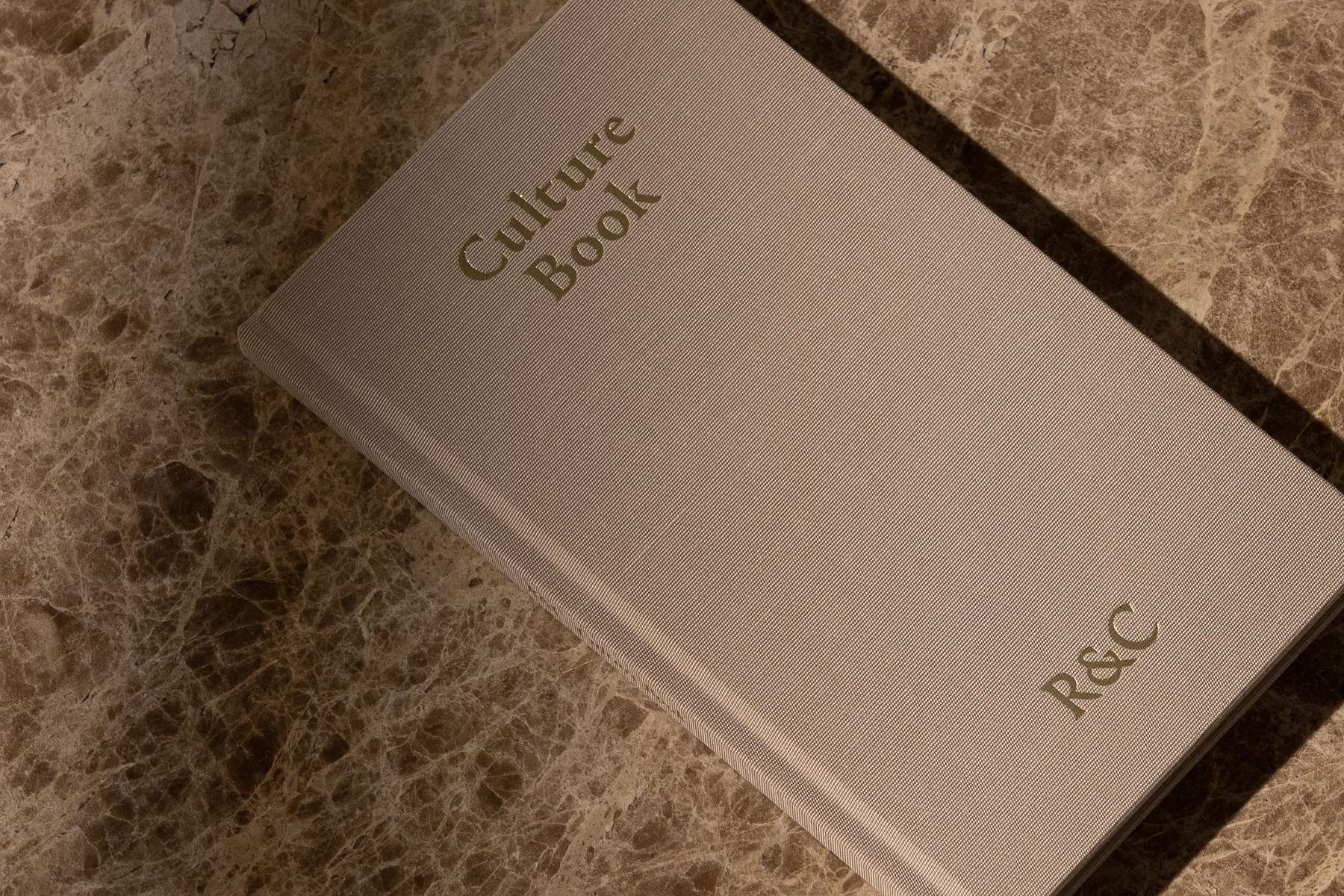
- Creating corporate culture books that articulate the values and philosophies of the people who work there and nurture a culture to be carried into the future.
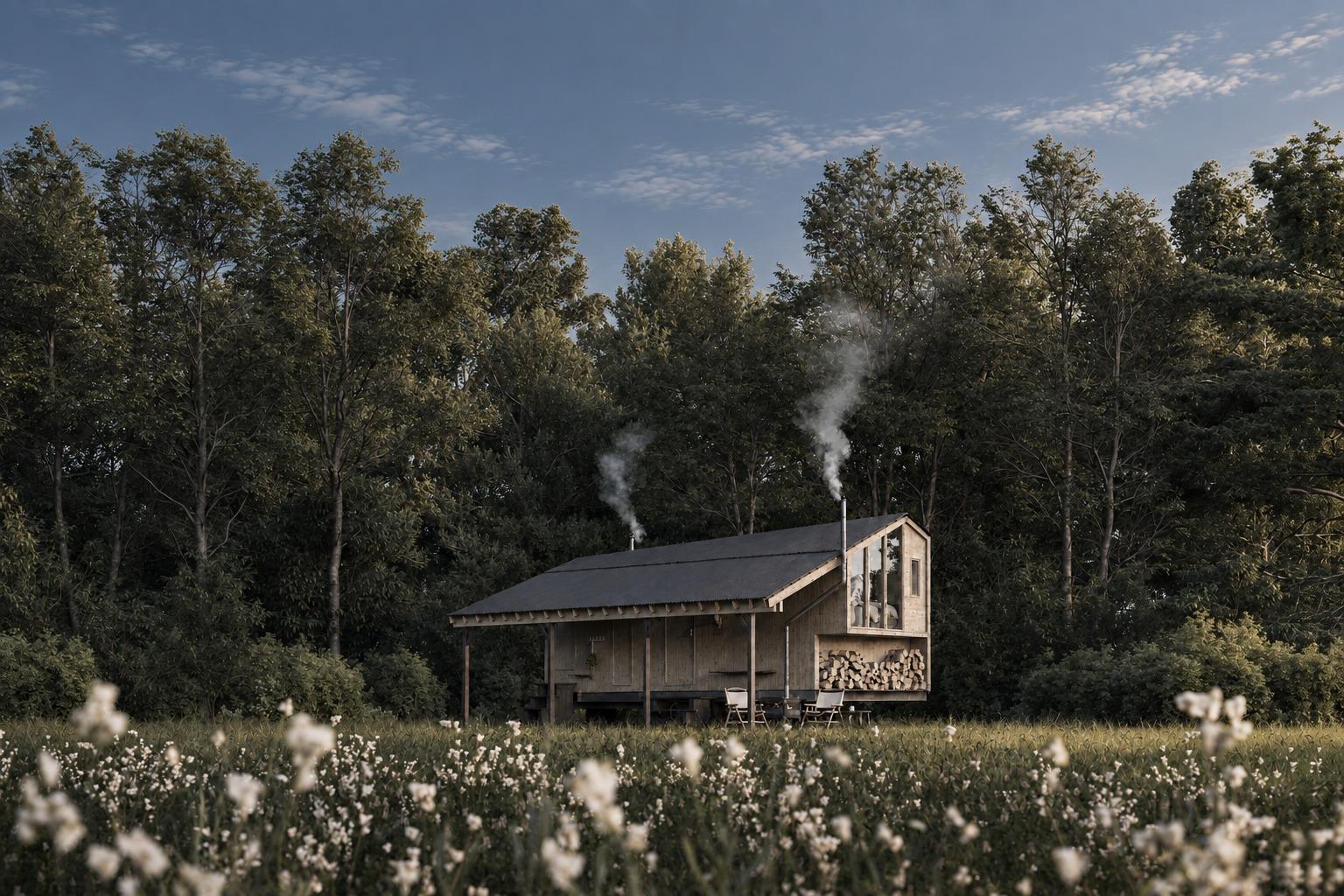
- Developing concepts for new homes and accommodation, designing an entire vision across architecture, furniture, products, photography, and websites.
- Engaging with local culture and nature to envision new forms of community that connect a place's history and character with its future.
- Reconsidering why a company exists and continuing to explore with its leaders what value it should create for society.
- Planning and directing commercials and brand films that express a company's philosophy and its products' appeal through moving visual experiences.
- Reweaving relationships between people, nature, and communities through the direction of architecture and spaces, including offices, shops, and homes.
- Working with specialists in branding, graphics, digital design, products, spaces, photography, and film to realize a shared philosophy as a beautiful experience.
Selected Episodes



How Do We Work?
We do not rush to answers. Researching, listening, discovering, learning, thinking, making, continuing, and building upon what we have done: we see all of these as the practice of Gestalting.
Discover and Learn
We begin by seeking to understand the world: a company's history, people's values, the character of a place, a community's culture, and changes in customers and markets. We observe and analyze through nine perspectives of Truth, Goodness, and Beauty, considering the organization, its stakeholders, and the market, alongside past, present, and future. When needed, we conduct surveys, interviews, and workshops. For us, research is more than gathering information. It is a practice of discovering the essential value and beauty within people, businesses, and communities.
Think and Edit
The information we gather is not itself the answer. Moving among the nine perspectives, we integrate fragments into a single story. What is a company? What do people believe? What future should a community seek? As the designers of Gestalting, we shape not only brands and businesses, but also the philosophy and vision behind them, and the stories that continue into the future. Within each project, we envision the future we want to create and the value we want to build, step by step.
Make and Write
Our thoughts connect with society when we give them form. Brands, graphics, digital experiences, products, spaces, photography, and film: working across every design discipline, we realize the stories we have envisioned as tangible experiences. What we create is more than a set of deliverables. We create beautiful stories that remain in people's memories, are carried forward as culture, and continue into the future.
Continue and Build
We do not believe our work should end with a one-off project. What matters is not simply completing a deliverable, but nurturing its value over time. Businesses grow, people change, communities develop, and society evolves. We accompany that passage of time, continuing to ask new questions and create new value. Building character, building culture, building trust, and building beautiful stories to carry into the future. Gestalting is not a finished state. It is the endless practice of discovering, learning, thinking, making, continuing, and building.
Who Works Here?


Why Are We Welcoming New Members?
We do not believe Gestalting can be realized by one person alone. People who develop brand strategies, weave words, design spaces, take photographs, make films, and create digital experiences bring different expertise and sensibilities while sharing a philosophy and moving toward a beautiful whole. That is what Gestalting means to us. It is also why we are always looking for new companions. A new member may feel they have much to learn. In fact, we often have even more to learn from them. New perspectives, sensibilities, and questions reveal worlds we could not see before. We therefore place no particular emphasis on a specific background or title. Experience and skills matter, of course. But what matters more is enjoying discovery, continuing to question and change, and wanting to nurture beautiful stories with people and communities rather than pursuing success alone. Those are the people we want to work with. We are not simply trying to create brands or designs. Through Gestalting as a new philosophy and practice, we want to reconsider how people, businesses, and communities exist. What do we believe? Whom do we exist for? What do we find beautiful? We want to embody the universal values of Truth, Goodness, and Beauty not only in words, but in businesses, products, spaces, cultures, and everyday life. We want to bring these new questions to the world. That is why we are welcoming new members.
You May Be a Good Fit If You…
- Engage with your individuality, find a role only you can fulfill, and carry it out with sincerity
- Honestly acknowledge what you have yet to learn and develop your character and integrity through continual learning and small acts of practice
- Accept differences and diversity, empathize with others, and work together toward a more beautiful future
- Take action with dedication, encouraging people and communities through your example and building relationships of trust
- Approach the work at hand with care while remaining optimistic about life and the future
- Always prepare and feel driven to keep learning and gaining experience
- Pay attention to detail, notice even small inconsistencies and mistakes, and remain committed to beauty through to the end
- Value the moments that move you and are sensitive to the beauty of nature and the vitality of life
- See clothing, food, and shelter as meaningful practices that nurture life and culture, rather than merely as consumption
- Want to enjoy a lighter sense of freedom through a role that is your own, rather than being driven by money, titles, or time
- Value work as a way to enrich life, and life as something enriched through work, rather than treating the two as separate
Open Position
Gestalter
You will lead client projects as a Gestalter: developing brand strategies, designing research and workshops, defining mission, vision, values, and culture, directing graphics, digital experiences, products, spaces, photography, and film, and managing projects. The role goes beyond coordinating progress. It means defining a project's meaning, translating philosophy into practice, and realizing it as a beautiful story.
Eligibility
- No specific educational background required
- No age restrictions
Experience in branding, design, editing, architecture, project management, or product development is welcome.
What matters is a connection with our philosophy and a conviction to nurture beautiful stories together.
Employment Terms
- Permanent employment (with a three-month probationary period)
- Flexible working hours
- Salary increases, in principle twice a year
Terms will be determined based on experience and ability.
Work Location
Flexible: work from the office, home, elsewhere in Japan, or overseas
We do not place emphasis on closely managing where or when people work. What matters is the role you take on and the value you create. We want our partners to choose ways of working that suit their individuality and their lives. Freedom, however, comes with responsibility. We evaluate people through their roles, responsibilities, and results within projects, rather than their working hours. We ask each person to understand their role and make the most of the time available. Compensation and roles are determined by results, ways of working, objective measures, and the trust and evaluation of colleagues. Our aim is not to create order through control, but an environment in which each person can work autonomously, fulfill a role that is their own, and enjoy a lighter sense of freedom.
Application Process
Application review → Interviews (two or three rounds) → Offer. Please apply using the application form below.
We value not only your skills and background, but also the questions you hold and the future you envision. Please tell us your story in your own words.
Benefits
- Comprehensive social insurance coverage
- Membership in the Kanto IT Software Health Insurance Society
- Commuting expenses covered
Bicycle commuting support - Book purchase support
- Gym membership support
Holidays and Leave
Two days off per week (Saturday and Sunday), plus public holidays / Annual paid leave / Year-end and New Year holidays / Maternity leave / Childcare leave / Family care leave / Congratulatory and bereavement leave